
In brief: A two-week evaluation of new Android-powered Googlebooks concludes that current hardware and software limitations make them unready for most users.
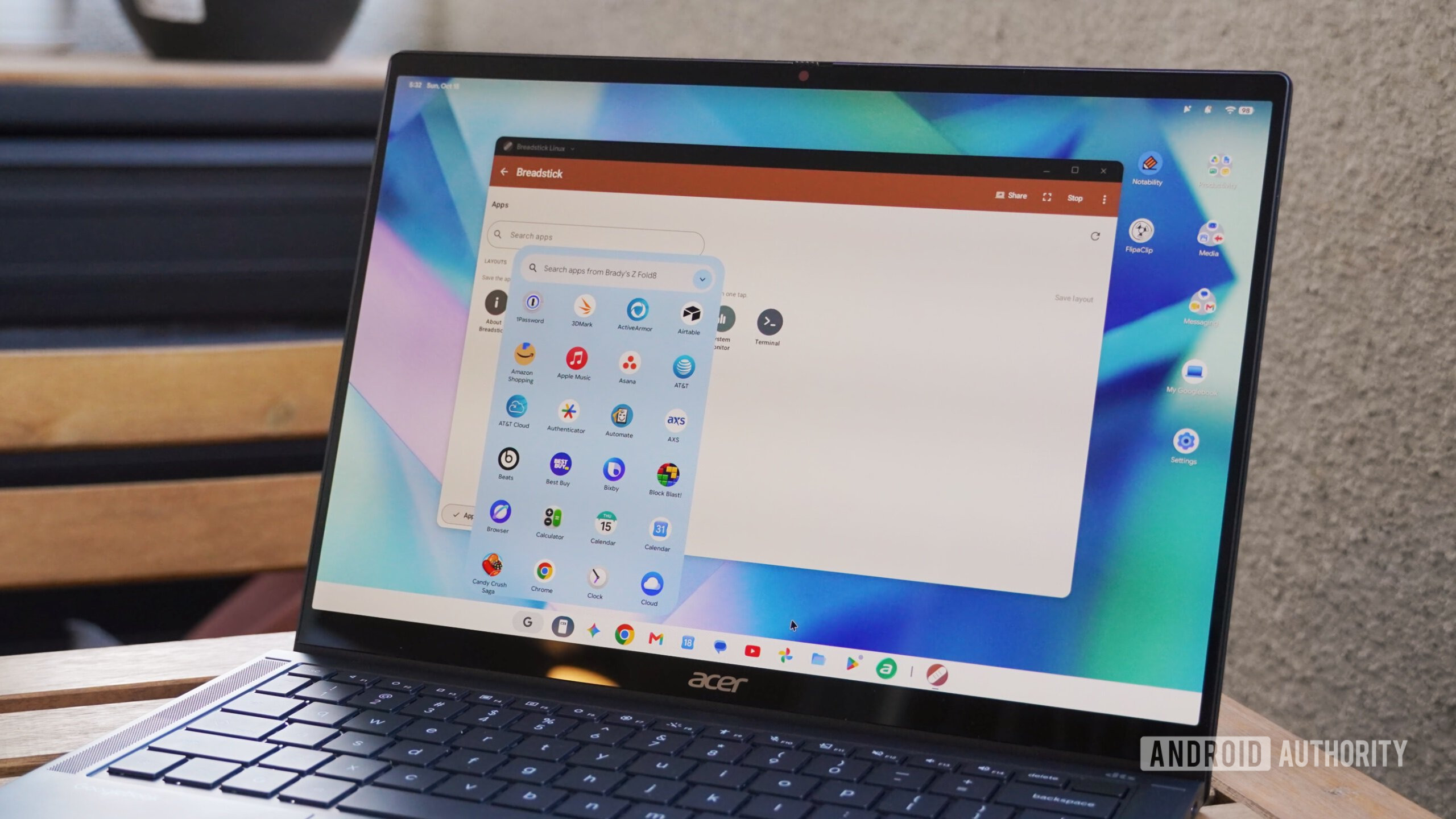
A recent two-week testing period with the newly introduced Googlebooks category suggests that these Android-powered laptops may not yet be suitable for the average consumer. Evaluated by tech reviewer Brady Snyder, the devices—specifically the Acer Googlebook 14 and the Dell XPS Googlebook—reveal several notable hardware and software shortcomings that temper their initial appeal.
Understanding the Googlebook Ecosystem
Googlebooks represent a fresh device category featuring Android-powered laptops with starting prices of $899 and ranging up higher. Designed to integrate closely with mobile technology, they include cross-device Better Together features. These capabilities permit file access and app streaming from connected Android phones such as the Pixel 11 Pro Fold and Samsung Galaxy Z Fold 8. However, utilizing these functions requires both the laptop and the phone to remain connected to the exact same Wi-Fi network.
Software Limitations and Browser Constraints
The operating system driving these laptops introduces notable functional constraints. Rather than running the standard desktop version of Chrome, Googlebook OS utilizes an adapted iteration of the Android Chrome app. Consequently, the system lacks support for multiple Chrome profiles.
Compatibility with the Google Play Store presents another obstacle. Many mobile applications are entirely unavailable on the platform, and those that can be installed frequently fail to properly support desktop input gestures, resulting in a suboptimal user experience.
Furthermore, Linux support on Googlebooks remains rudimentary. The capability is currently restricted to running command-line applications directly within the Terminal, completely lacking integration with the system app drawer or taskbar.
Hardware Concerns and Performance Issues
Physical evaluations of the test units raised several construction and performance worries:
- Build Quality: Testers noted structural shortcomings across the tested lineup.
- Dell XPS Googlebook: This model exhibited noticeable deck flex during regular use. Additionally, its Qualcomm Snapdragon X Elite processor ran hot and required active cooling fans that became loud.
- Acer Googlebook 14: This hardware option featured visibly chunky bezels surrounding the display.
- Peripherals: Both tested machines suffered from unreliable fingerprint sensors and subpar webcams.
Uncertainties and Long-Term Outlook
While initial impressions point to significant hurdles, certain details regarding the platform's future remain unaddressed. Specifically, the long-term physical durability of Googlebook hardware beyond a standard two-week testing window is presently unknown. Additionally, Google has not specified the exact scope or timeline of future software updates that might address these existing hardware and software compatibility challenges.
Conclusion
Based on a thorough two-week evaluation, current iterations of Googlebooks demonstrate that Android-powered laptops still face substantial growing pains. Between restrictive browser adaptation, limited app optimization, and physical hardware compromises, the category requires further refinement before it can safely be recommended for mainstream consumer adoption.
Source for this report: androidauthority.com.