
In brief: Google Wallet is introducing a helpful feature that automatically fills saved payment card CVV codes on verification screens following recent updates.
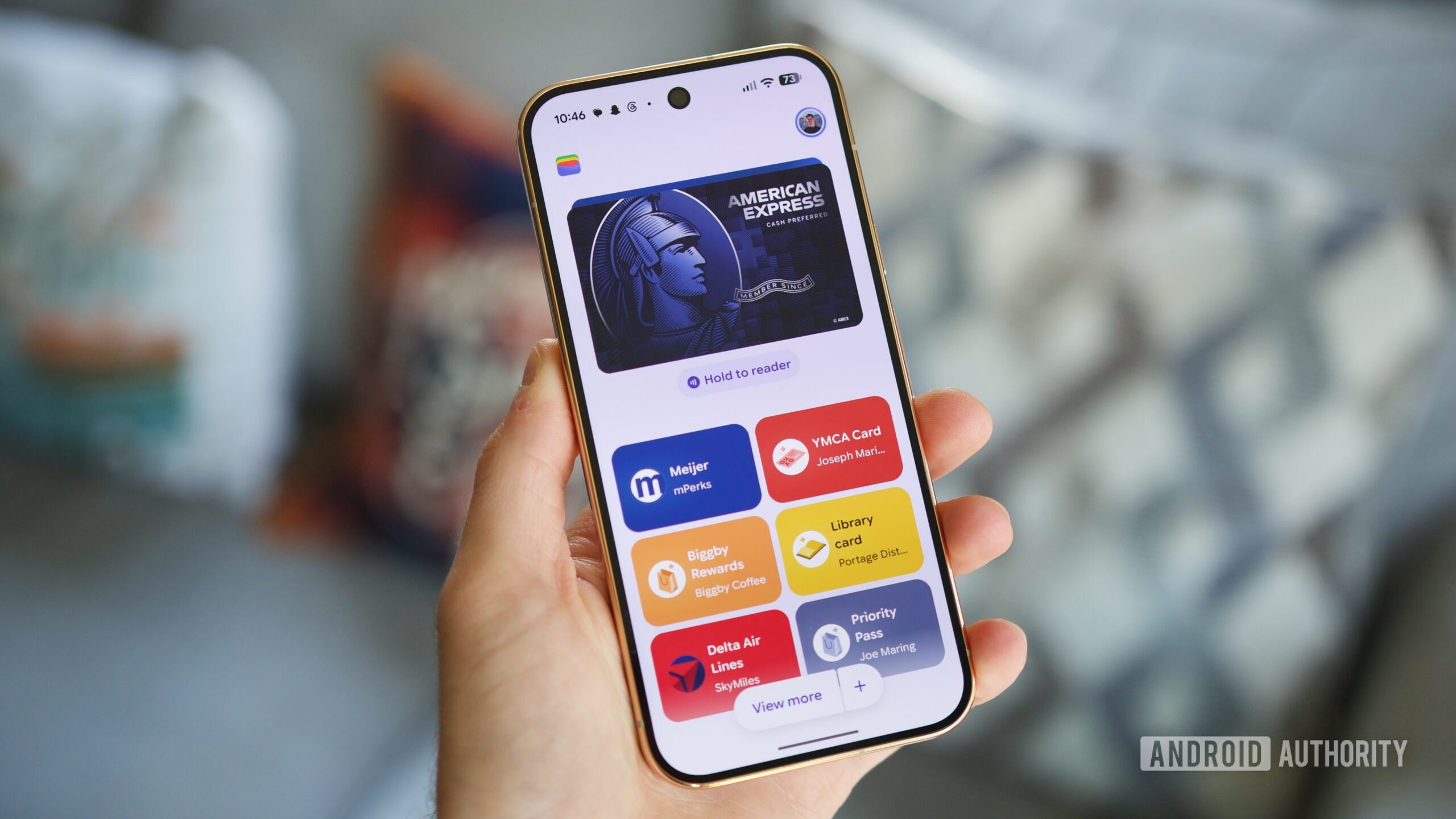
Online checkout processes are about to become slightly faster for Android users following a system update announcement. The latest modifications focus on streamlining digital transactions while maintaining security protocols for stored financial credentials.
How the Google Wallet Update CVV Autofill Feature Works
For users who frequently make online purchases or manage subscriptions, manually entering security codes from plastic cards is a routine friction point. A newly rolling out functionality aims to remove this step by automatically populating these details where required.
Specifically, the system will handle the insertion of card verification values—commonly known as CVV or CVC codes—directly onto verification screens. Rather than forcing shoppers to flip their physical cards over to read the three or four-digit sequence, the application manages the sequence automatically based on previously saved details.
Security Measures and Phone Authentication
Automating financial data entry naturally raises questions regarding user safety and unauthorized access. To mitigate risks, the application mandates a strict authentication barrier before any sensitive information is deployed.
Before the system triggers the automatic entry of a security code, users are required to successfully authenticate their identity using their phone's built-in screen lock. Whether utilizing biometric scans like fingerprint verification, facial recognition, or a traditional PIN code, this mandatory prerequisite ensures that an unattended or unlocked device cannot be easily exploited to complete transactions.
Release Details and Associated Software Versions
The arrival of this payment-simplifying capability is documented in official release notes. According to documentation dated November 23, 2026, the functionality is tied to system updates distributed via the ecosystem.
However, examining the exact software distribution reveals notable complexities regarding version numbering and packaging. Official changelogs reference Google Play Services version 26.46 as the vehicle carrying the automatic security code population feature.
Concurrently, separate notes point toward Google Play Store version 54.2. This distinct software package introduces several other user-facing changes, including refreshed navigation layouts, new app-level age-sharing controls, and Play Achievements tailored for mobile gamers. The presence of these parallel version numbers leaves some uncertainty regarding precisely how the updates are bundled and distributed across different device models.
Additional Changes in the Ecosystem
Beyond the payment enhancements, users exploring the broader software changes will notice interface and privacy modifications. The inclusion of app-level age-sharing controls gives individuals more granular management over how demographic data is shared with specific titles.
Gamers also receive dedicated attention through the integration of Play Achievements. These updates arrive alongside the structural navigation refreshes designed to make browsing the marketplace more intuitive.
Conclusion
The introduction of automatic security code entry represents a practical step forward for digital transactions, balancing convenience with mandatory device security checks. While version tracking details show some mixed numerical references across system components, the core focus remains on reducing checkout friction for consumers.
Source for this report: androidauthority.com.