
In brief: Nvidia halts H200 chip sales to China following leadership changes and trade hurdles, with hundreds of thousands of units held in Hong Kong.
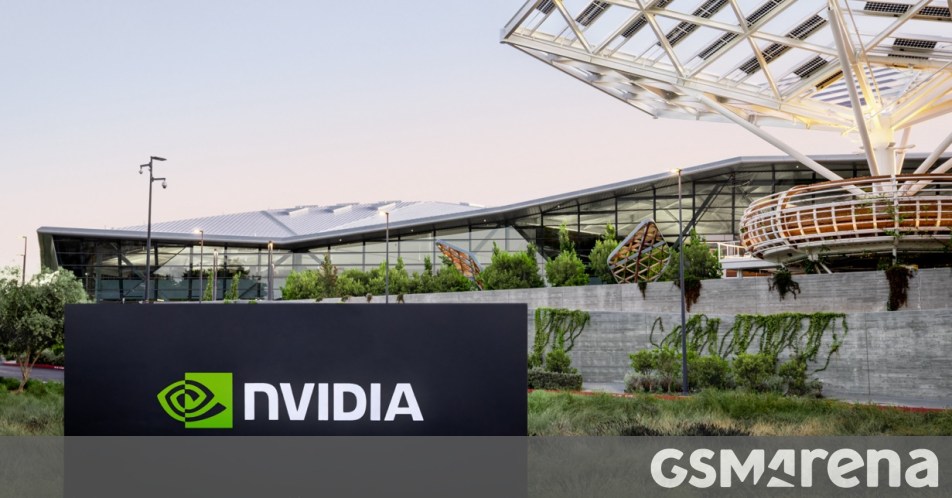
Semiconductor giant Nvidia has officially paused its H200 chip sales and shipments to mainland customers, marking a major development in the ongoing intersection of international trade policy, corporate leadership shifts, and regional market demand. The decision to halt Nvidia halts H200 chip sales to China comes during a turbulent period for the corporation, which faces a combination of regulatory restrictions, unconfirmed leadership catalysts, and a substantial stockpile of halted inventory sitting in regional logistics hubs.
Background on the H200 Chip Approval and Restrictions
The current disruption follows a complex sequence of regulatory milestones and market hurdles. Previously, the corporation secured government authorization to market its H200 artificial intelligence processors to specifically vetted domestic purchasers in China, subject to a 25 percent United States export tariff. This clearance had initially opened a pathway for advanced semiconductor deliveries under strict regulatory oversight.
However, market adoption faced immediate friction from both sides of the Pacific. Domestic authorities within the destination market withheld large-scale clearance for the imported processors. The primary motivation behind this hesitation from local regulators was a concerted effort to minimize reliance on foreign technology infrastructure, leaving buyers unable to finalize massive import volumes.
Shipments and Inventory Status in Hong Kong
The practical result of these combined roadblocks is a massive logjam of high-value hardware. According to reporting from Reuters News, an estimated 600,000 units of the advanced processors, which had been earmarked for approved buyers in the region, are currently being held in Hong Kong.
Interim Chief Executive Officer Colette Kress disclosed the sudden pause in ongoing deliveries during the corporation's most recent third-quarter earnings call. Despite the clear confirmation that deliveries have stopped, corporate leadership has not provided an official public statement or explicit rationale detailing why management decided to cease these particular hardware shipments at this specific juncture.
Leadership Transition and Jensen Huang Resignation
Adding to the corporate complexity, the hardware stoppage coincides with a dramatic change at the very top of the organization. Jensen Huang stepped down from his position as Chief Executive Officer following public reports detailing two separate personal affairs.
Observers and market analysts have noted the close chronological proximity between the leadership departure and the commercial freeze in Asia. While external commentary has frequently linked the executive transition with the sudden shift in regional sales strategy, the exact connection between the two developments remains speculative. Publicly available information regarding the nature of the second affair referenced in the resignation remains minimal, leaving industry watchers to weigh multiple overlapping factors.
What Is Confirmed Versus What Remains Uncertain
To fully understand the current situation, stakeholders must separate verified operational facts from ongoing market speculation. The verifiable elements of the unfolding situation include:
- Confirmed: Nvidia has officially halted H200 chip sales and shipments bound for Chinese customers.
- Confirmed: Interim CEO Colette Kress revealed the shipment pause during the Q3 earnings call.
- Confirmed: Approximately 600,000 units intended for the market are currently held in Hong Kong, per Reuters News.
- Confirmed: Jensen Huang stepped down as CEO following reports of two affairs.
- Uncertain: Nvidia has not issued any official commentary explaining the precise reasons behind the decision to stop shipments.
- Uncertain: The direct causal relationship between the sales halt and the executive resignation is characterized as speculative rather than officially proven.
Conclusion
The simultaneous halt of advanced semiconductor deliveries and a major executive succession plan place the technology leader in an unprecedented position. With hundreds of thousands of processors currently stranded in regional transit hubs and regulatory resistance compounding trade friction, the path forward for hardware distribution in the region remains unclear as management navigates this transitional phase.
Source for this report: gsmarena.com.