
In brief: Discover what happens when testing ColorOS 17 on the OnePlus 15, highlighting the shift from OxygenOS, new visuals, animations, and AI features.
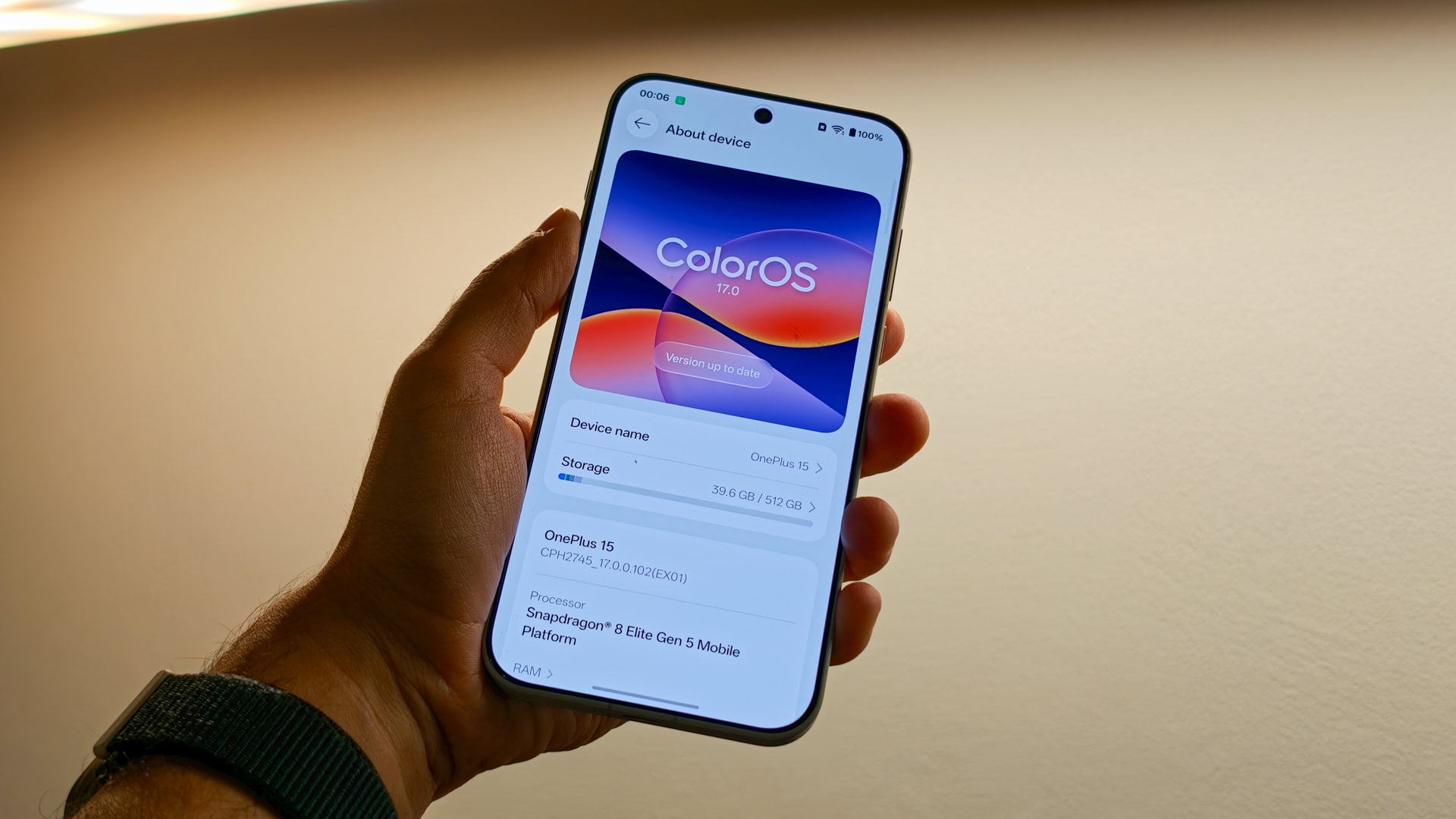
A significant shift in software strategy has emerged for users following the ecosystem closely, centered on testing ColorOS 17 on the OnePlus 15. Historically, the brand relied on OxygenOS for its mobile devices. However, testing the OnePlus 15 running ColorOS 17 reveals the extent of this transition toward OPPO's interface. Reviewing this implementation highlights three critical takeaways regarding the new software experience, though certain specifics about the update remain partially unconfirmed.
The Shift to OPPO Software on OnePlus 15
The most substantial underlying development is the strategic transition itself. Historically, the brand distinguished its devices through OxygenOS, offering a software identity separate from its corporate affiliations. Hands-on testing of the OnePlus 15 running ColorOS 17 confirms that this software lineage is shifting directly to OPPO's platform. This integration brings distinct design choices and underlying framework adjustments to hardware that previously utilized a different interface paradigm.
While the transition is apparent during day-to-day navigation, the broader long-term implications for global software rollouts and future device generations remain open to observation. Users accustomed to traditional interfaces will notice immediate structural differences stemming from this underlying platform change.
Visual Overhaul and Fluid Animations
Beyond the architectural shift, the interface introduces a noticeable visual overhaul. Exploring the menus and system UI on the OnePlus 15 running ColorOS 17 shows refreshed design aesthetics across native applications, settings panels, and home screen elements. While a complete, exhaustive catalog of every single visual modification has not been officially detailed by the manufacturers, the immediate impact is a modernized look compared to older iterations.
Complementing this visual refresh are significantly smoother animations. System transitions, app launch sequences, and multitasking gestures respond with enhanced fluidity. These motion adjustments contribute to a more polished tactile feel during standard navigation, reducing visual stutter and making physical inputs feel more responsive across the board.
Expanded Artificial Intelligence Capabilities
Another major pillar of the new software package involves artificial intelligence integration. Testing indicates that the platform introduces a greater array of smart capabilities designed to assist with daily tasks, system efficiency, and contextual suggestions.
Despite these observations, exact details concerning the full suite of AI functions remain unspecified. While the current build demonstrates several integrated smart utilities, a comprehensive inventory detailing every capability, regional limitation, or underlying processing model has not been provided at this stage. Users should anticipate ongoing updates as the software matures and additional functionalities are officially documented.
Conclusion
Evaluating ColorOS 17 on the OnePlus 15 showcases a defining moment for the brand's software identity, moving away from historical OxygenOS roots toward an OPPO-influenced platform defined by fresh visuals, fluid animations, and growing artificial intelligence tools. While complete documentation for every visual change and AI function is still missing, the initial impressions point toward a streamlined and modernized user experience.
Source for this report: androidauthority.com.